
Feather
- Firm and structured
- The bird’s outer covering
- Water-repellent, made for flight
The warmth of a winter you can carry in one hand begins on the Hungarian plain — with clusters grown slowly, gathered ethically, and tested to the gram.
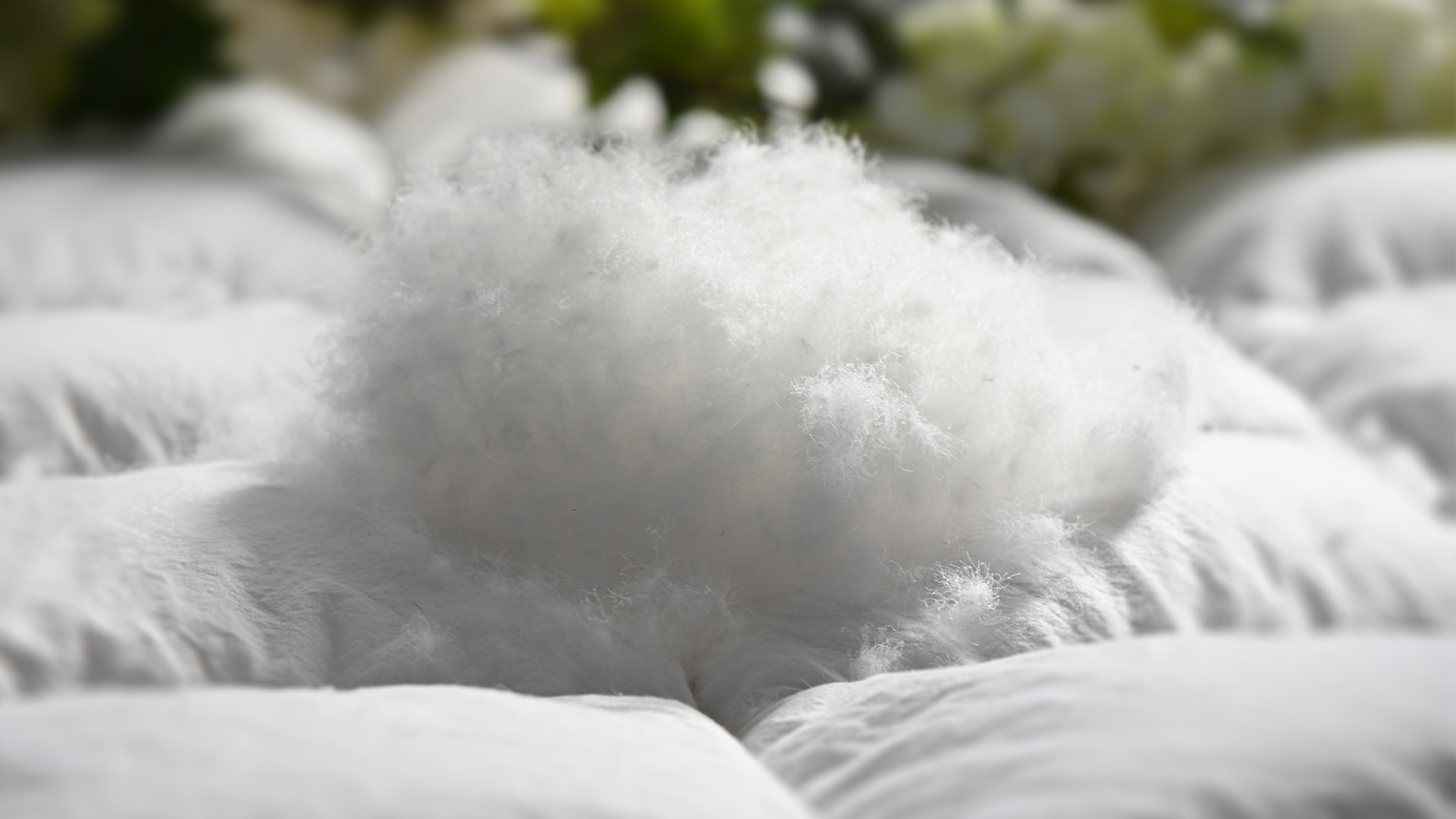
They come from the same bird and do opposite jobs. Knowing the difference is knowing why down is so light, and so warm.
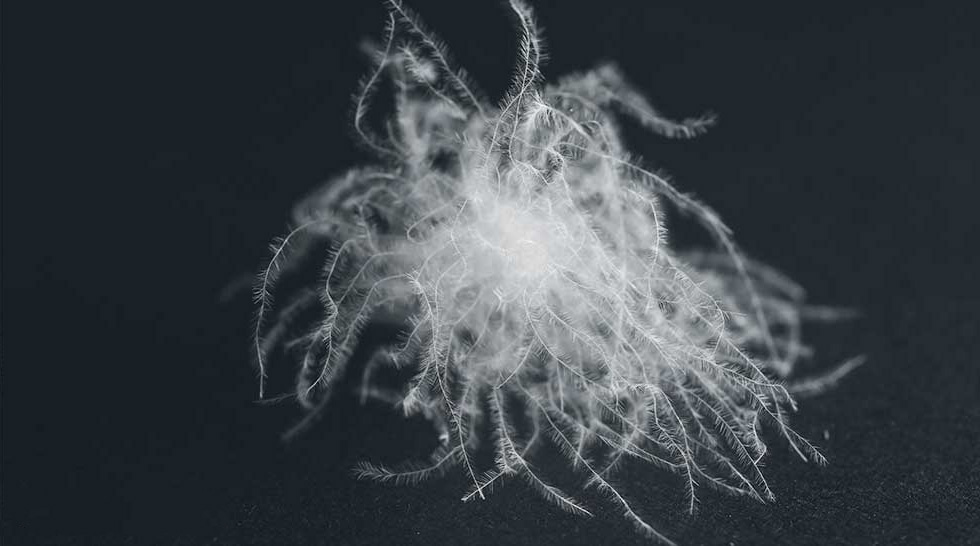
A by-product of meat processing — never plucked from live birds. From free-roaming Hungarian geese and ducks.
Washed at high temperature with a special detergent to lift oil, fat and bacteria — keeping just enough lipid for resilience.
Laboratories measure fill power, turbidity, oil and fat, pH and down content — to the gram.
Cut, processed and filled under one roof, sealed in down-proof OEKO-TEX cotton, to the same exacting craft.
A QR code on every product traces the down to the farm it came from — origin, breed, testing and fill power.
Down gathered from family farms across the southern plain, washed, tested and filled under one roof in Mezőkovácsháza — then carried, traceably, to homes from Spain to Scandinavia.
Down quality isn’t a feeling — it’s a set of numbers, laboratory-tested for content, loft, cleanliness and chemistry before it reaches a shell.
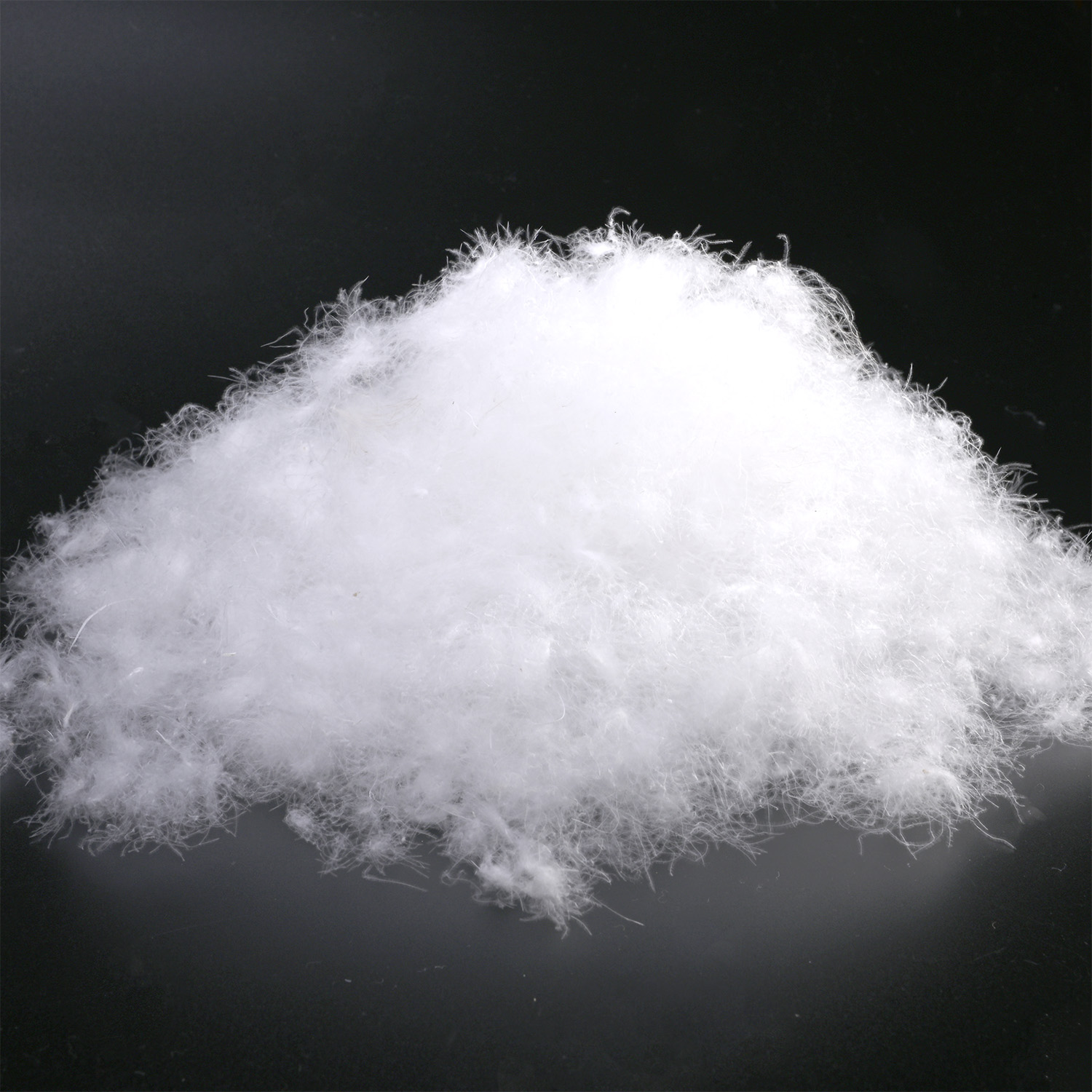
Recovery power is how well down springs back — its resilience against time, weight and weather. Hungarian down’s larger, more mature clusters hold their shape, insulation and quality far longer than ordinary fillings.

Low-cost fillings of questionable origin have flooded the market — losing loft and insulation within seasons. Ours is the opposite: Hungarian goose and duck down, SafeDown-certified and traceable through the HDTS Hungarian Down Traceability System. Scan the code on your duvet and meet the farm it came from.
See how traceability works